
How Tattoos Age: Why Designing for the Long Term Matters
How Tattoos Age: Why Designing for the Long Term Matters
Tattoos are often chosen in a moment, but they live in the skin for decades. Understanding how tattoos age isn’t just helpful—it’s essential for creating work that still looks strong, readable, and meaningful over a lifetime.
The Science Behind Tattoo Aging
When a tattoo is applied, ink is deposited into the dermis—the layer of skin beneath the surface. Your immune system immediately reacts, sending cells called macrophages to capture the ink particles. Some of these particles remain trapped in place, which is why tattoos are permanent—but the process never fully stops.
Over time, ink slowly disperses as these cells break down and redistribute pigment. At the same time, your skin itself is constantly changing. Collagen breaks down, elasticity decreases, and repeated exposure to sunlight causes fading through UV damage.
This combination—biological ink movement and skin aging—is what causes tattoos to soften, blur, and lose contrast over the years.
Why Designing for Longevity Matters
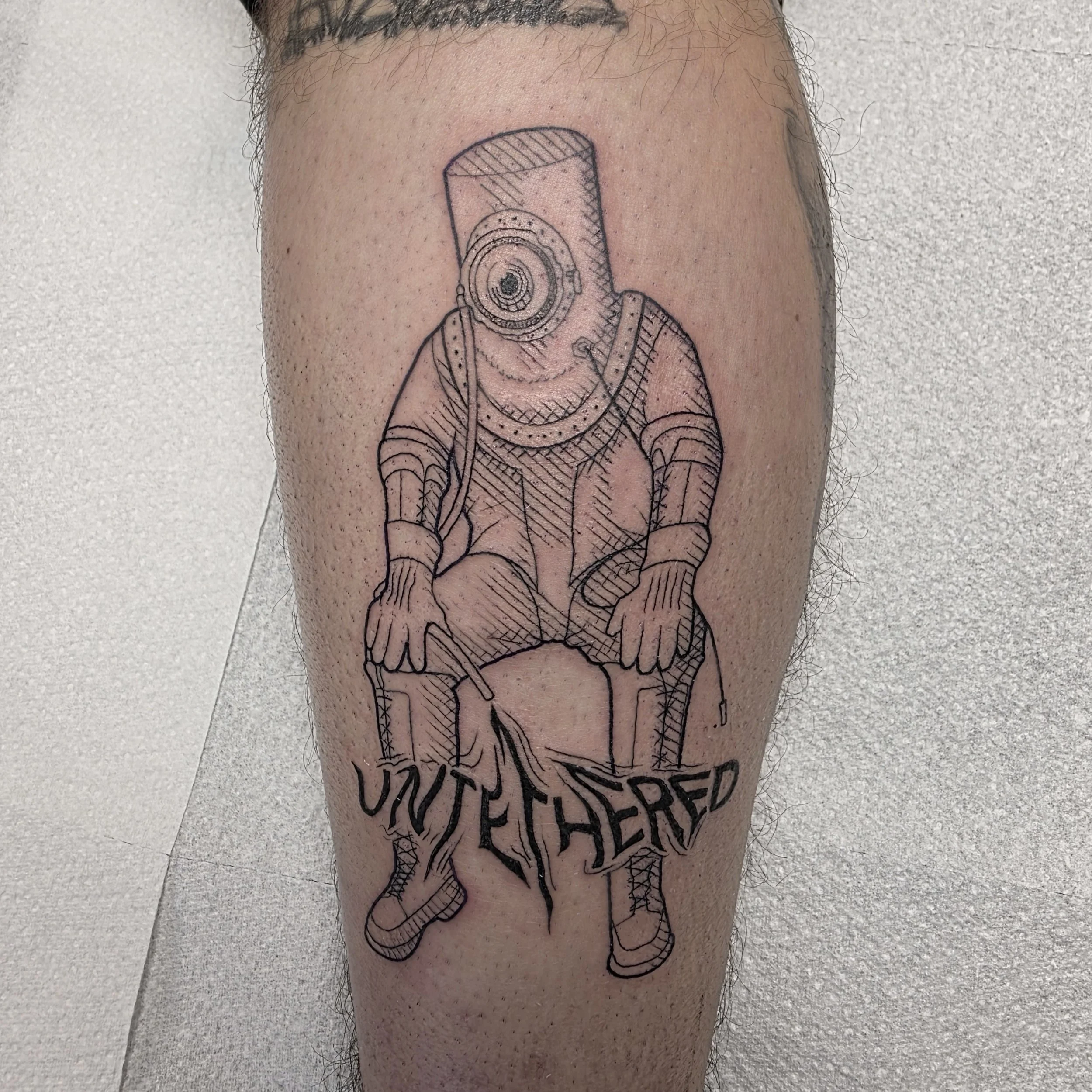
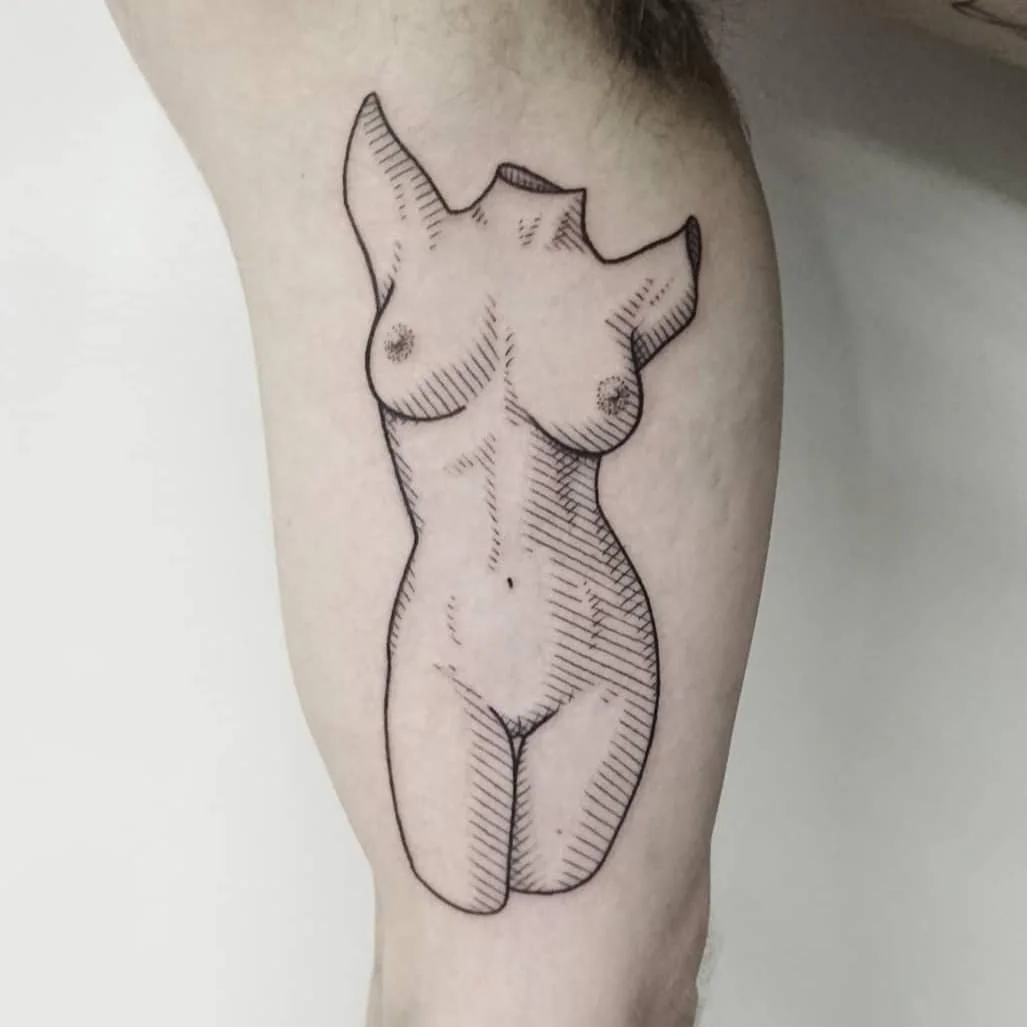
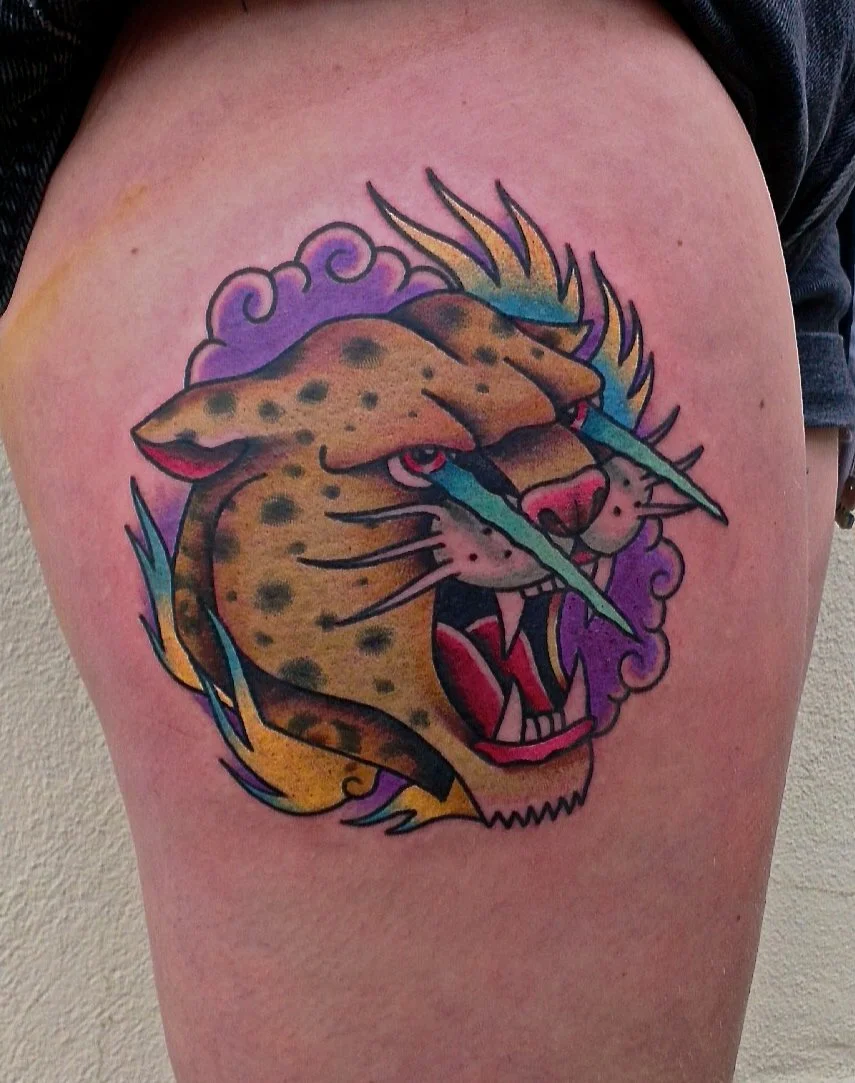
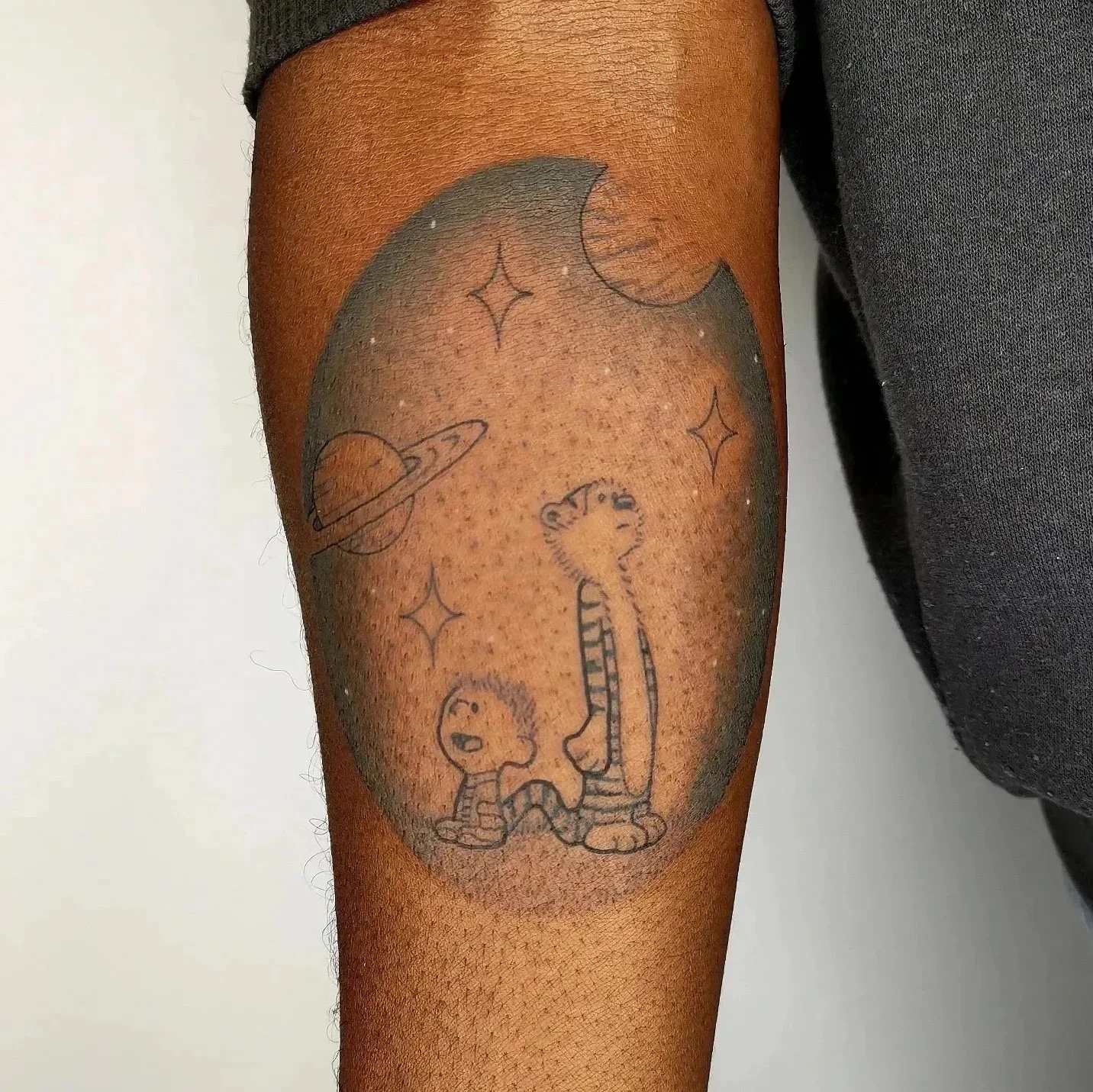
A tattoo that looks crisp on the day it’s applied won’t necessarily look the same in 10, 20, or 40 years. That’s why experienced studios like The Good Fight Tattoo place such importance on designing with longevity in mind.
Key factors that help tattoos age well include:
Strong contrast between light and dark areas
Adequate spacing between lines
Simplicity and clarity in the design
Appropriate sizing for the level of detail
These principles allow the tattoo to settle naturally over time while maintaining its structure and readability.
Why Micro Tattoos Often Age Poorly
Micro tattoos—very small, highly detailed designs—have become increasingly popular, but they present real challenges when it comes to aging.
From a scientific standpoint, the issue comes down to scale. Ink particles don’t stay perfectly fixed; they spread subtly within the dermis. In larger designs, this isn’t a problem because there’s enough space between lines and shapes. In micro tattoos, those tiny gaps quickly close.
Fine lines can:
Blur together as pigment spreads
Fade faster due to lower ink saturation
Lose definition as the skin regenerates
What starts as a delicate, intricate design can eventually become soft or merge into an indistinct blob. At The Good Fight Tattoo, the focus is always on helping clients develop designs that will hold their integrity over time—balancing detail, scale, and placement so the tattoo ages with clarity rather than compromise.
A Long-Term Investment in Your Skin
Choosing a tattoo isn’t just about what looks good now—it’s about how it will evolve with you. A well-designed tattoo accounts for biology, time, and the natural aging of skin.
At The Good Fight Tattoo, this long-term approach is central to the process—creating tattoos that don’t just look great when fresh, but continue to hold up for years to come.
Because the best tattoos aren’t just made for today—they’re made to last.